We can't find the internet
Attempting to reconnect
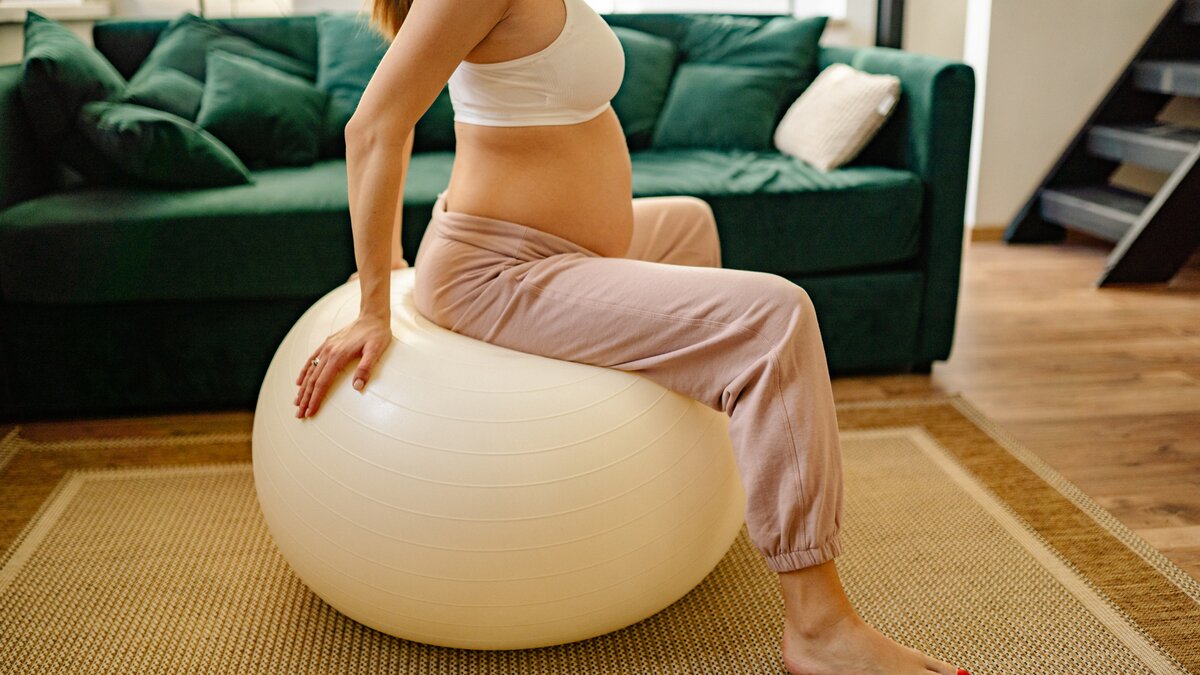
Your GP just cleared you for exercise. That doesn't mean you're ready.
"Get your body back" is terrible advice for young mothers. Here's what postnatal fitness actually looks like.
There is no shortage of pressure on new mothers to return to exercise quickly. Six-week transformations. Pre-baby bodies. Bounce-back culture. Social media has a lot to answer for.
Here is what that pressure ignores: childbirth is one of the most physically demanding events the human body undergoes. The pelvic floor, abdominal wall, and connective tissues need time to heal — and returning to exercise before that healing is complete doesn't just slow your recovery. It can cause damage that takes years to address.
Getting postnatal fitness right matters more than getting back to it fast.
Why rushing back is a gamble with your long-term health
Return to high-impact exercise too soon and you're significantly increasing the risk of three things: pelvic organ prolapse, stress urinary incontinence, and diastasis recti — abdominal separation that doesn't always resolve without targeted rehabilitation.
None of these are minor inconveniences. All of them are largely preventable.
The NHS recommends avoiding high-impact exercise for at least 12 weeks after birth. After a caesarean, that timeline extends further. This isn't overly cautious guidance — it reflects the reality of how long healing actually takes.
Weeks 1–8: the phase most women rush through
In the early weeks, your body is doing enormous work below the surface. Rest, walking, diaphragmatic breathing, and gentle pelvic floor rehabilitation are the appropriate focus — not HIIT classes, not running, not anything that loads the abdominal wall or pelvic floor with significant force.
This phase feels frustratingly slow. It is also the most important one.
Working with a midwife or women's health physiotherapist in these early weeks can make a significant difference to how well you progress later.
Your 6-week GP check doesn't tell you what you think it does
Most new mothers assume a GP clearance at 6–8 weeks means they're ready to return to exercise. In reality, that appointment is rarely a functional assessment of pelvic floor health or abdominal wall integrity. It's a general health check.
Before returning to anything more demanding than walking, see a women's health physiotherapist. They can assess your pelvic floor, check for diastasis recti, and give you clearance based on what's actually happening in your body — not a standard timeline.
From weeks 8–12, low-impact strength work can typically begin: bodyweight exercises, resistance bands, light weights focusing on glutes, core, and upper body.
Week 12 and beyond: building strength properly
After 12 weeks, most women can begin returning to more demanding training — progressively, and with attention to symptoms. Heaviness, leaking, or discomfort during exercise are signals, not things to push through.
Running is a common goal, and it's achievable — but leading women's health physiotherapists (Goom, Donnelly & Brockwell) have established specific strength and function benchmarks that should be met before returning to it. Most women returning to running are unaware these benchmarks exist, let alone whether they've met them.
Heavy compound lifting, high-impact classes, and intense cardio should all come back slowly, with a trainer who knows what they're looking for.
What a postnatal specialist does that a regular PT doesn't
A trainer with postnatal fitness specialism programmes around your healing stage, not around a generic fitness goal. They screen for diastasis recti and pelvic floor dysfunction. They know which exercises to avoid and when. They understand that the abdominal and pelvic floor work you do in the first six months determines how your body functions for the next forty years.
Get this right, and you don't just return to where you were. You build a body that's stronger and more resilient than before.
Get it wrong, and the consequences are real — and lasting.
Find a postnatal fitness specialist on Gymbile. Return to exercise at the right pace, with a coach who understands exactly where you are.
Share this article
In this article
Tags
⚡ For Trainers
Start taking live sessions — with zero monthly fees.
- ✓ Set your own rates
- ✓ Clients book & pay instantly
- ✓ £0 platform subscription
- ✓ 100+ countries
No credit card required to get started.
Become a Trainer →Tags
⚡ For Trainers
Start taking live sessions — with zero monthly fees.
- ✓ Set your own rates
- ✓ Clients book & pay instantly
- ✓ £0 platform subscription
- ✓ 100+ countries
No credit card required to get started.
Become a Trainer →Keep Reading
 Personal Story
You Can Wait Six Months for Physiotherapy. By Then, It Hurts Somewhere Else.
Waiting-list patients arrive months late, in pain somewhere new. A physiotherapist on what to do while you wait - and why your knee is rarely the real problem.

Workout Accountability: How Partners, Apps and Coaches Keep You on Track
Not sure whether a gym buddy, fitness app or accountability coach is right for you? Compare every option and find what finally makes your workouts stick.

What Is Online Personal Training — and How Does It Actually Work?
New to online PT? We explain what online fitness coaching is, how live sessions work, and whether it could suit your lifestyle. No jargon — just honest answers.
Comments
Be the first to join the conversation
Sign in to share your thoughts on this article.
Sign in to comment